All communities have preferred language to talk about their experiences and identities.
When discussing the US legal and carceral system, the words we use to discuss people, actions, laws, and issues reflect different points of view.
Please consider using language considered respectful by the system-impacted community.

The ZO - linked above
This isn’t a problem that’s going to go away all on its own. The United States has the largest prison population in the world, and most of those prisoners will one day be released. I realized that formerly incarcerated people had no voice, and no one seemed willing to speak for us. As I built A New Way of Life, it sometimes felt as though a new underground railroad was taking shape. We, the people of the community, weren’t going to let each other fall. We would rescue each other, and deliver people to a lasting freedom.
--From Becoming Ms. Burton: From Prison to Recovery to
Leading the Fight for Incarcerated Women
(cited below)

Source citation: Burton, Susan, and Cari Lynn. Becoming Ms. Burton: From Prison to Recovery to Leading the Fight for Incarcerated Women. The New Press, 2019.


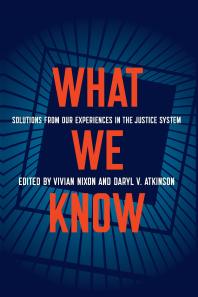 What We Know: Solutions from our Experiences in the Justice System
by
What We Know: Solutions from our Experiences in the Justice System
by
 Doing Prison Work:The Public and Private Lives of Prison Officers
by
Doing Prison Work:The Public and Private Lives of Prison Officers
by
 Fourth City: Essays from the Prison in America
by
Fourth City: Essays from the Prison in America
by
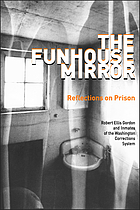 The Funhouse Mirror : Reflections on Prison
by
The Funhouse Mirror : Reflections on Prison
by
 Prisoners on Criminology: Convict Life Stories and Crime Prevention
by
Prisoners on Criminology: Convict Life Stories and Crime Prevention
by
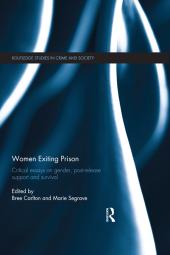 Women Exiting Prison : Critical Essays on Gender, Post-Release Support and Survival
by
Women Exiting Prison : Critical Essays on Gender, Post-Release Support and Survival
by
 The End of Prisons: Reflections from the Decarceration Movement
by
The End of Prisons: Reflections from the Decarceration Movement
by
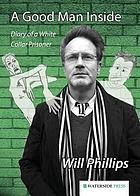 A Good Man Inside: Diary of a White Collar Prisoner
by
A Good Man Inside: Diary of a White Collar Prisoner
by

StoryCorps is a national project to record and archive the personal stories that matter in people's lives. Linked below is a collection of stories that are a part of their Justice Project.
Below is an animated story, just an example of the stories you'll hear in this collection